Warmth, Care, and Strength for Premature Babies in Livingstone (Zambia)
An initiative by Mireille Stelwagen* in collaboration with YEDS foundation, Livingstone University Teaching Hospital (LUTH) and Abantu Connection Foundation.
*In the summer of 2025, Mireille Stelwagen traveled to Zambia for the exchange project RiseInFamily. The goal of this project is to implement Family Integrated Care (FICare) in neonatal units worldwide. Kangaroo Mother Care is an important element of FICare. This exchange inspired the idea for the current project.
Why this project?
In Zambia, many babies are born prematurely or with low birth weight.
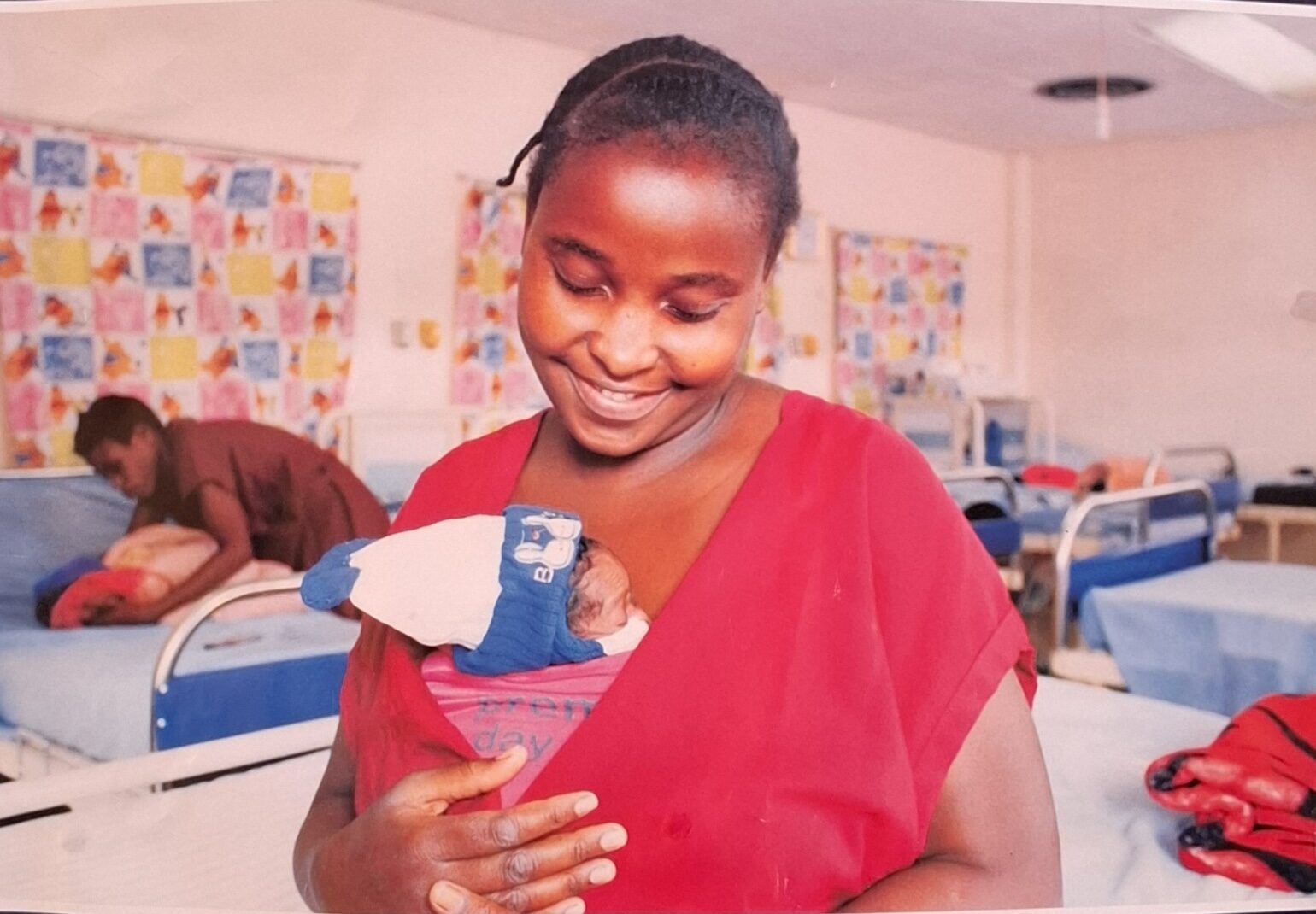
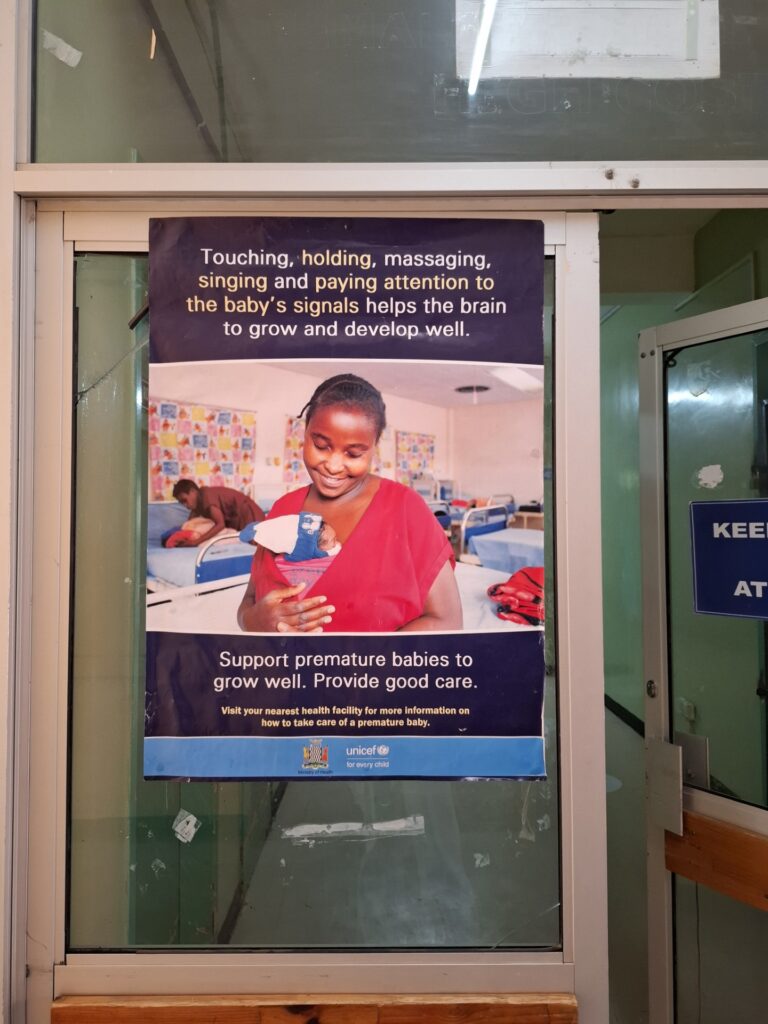
For these vulnerable infants, prolonged skin-to-skin contact with their mother directly after birth is the most effective and affordable way to increase their chances of survival. This skin-to-skin contact, known as Kangaroo Mother Care (KMC), protects against hospital infections, the leading cause of death among preterm infants in Zambia.
It helps babies maintain their temperature without the need for an incubator, reduces stress in both mother and child, stimulates breastfeeding and milk production, and strengthens the emotional bond. These factors are essential for survival, healthy growth, and development. The World Health Organization (WHA) recommends KMC in all healthcare settings and at home (WHO, 2025).
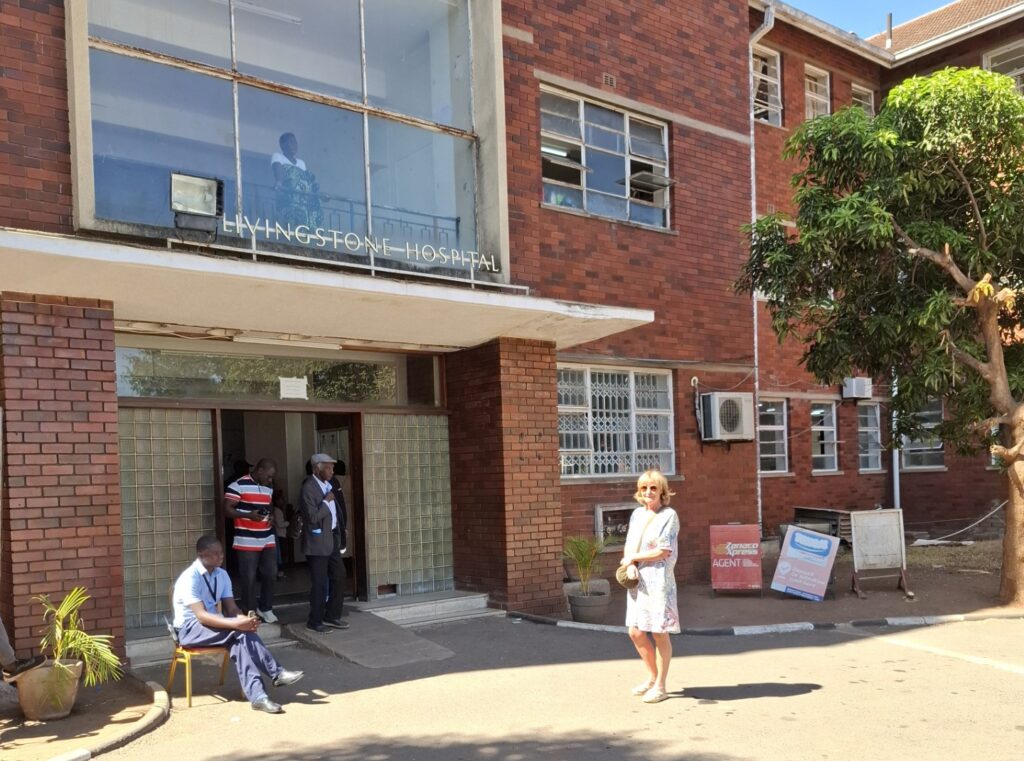
However, skin-to-skin care is not always easy for mothers in Livingstone. Hospital conditions make it challenging to start KMC immediately after birth and to sustain it for longer periods. Many mothers have limited financial means, must return to work quickly, and lack practical tools to safely and comfortably carry their baby against their chest for extended periods. Fathers can also provide skin-to-skin care but cannot breastfeed.
We want to change this.
What we wil do
In collaboration with nurses from the neonatal unit and the hospital director in Livingstone, YEDS foundation and Abantu Connection Foundation are launching a community-driven project:
1. Production of skin-to-skin T-shirts in Livingstone.
The women of YEDS, who meet weekly for entrepreneurship activities, will sew special skin-to-skin T-shirts. These shirts make skin-to-skin contact easier both in the hospital and at home, enabling mothers to provide the best possible care despite difficult circumstances.
YEDS supports, monitors production, and oversees distribution of the T-shirts. The T-shirts are produced in Livingstone to provide women with income and skill-building opportunities
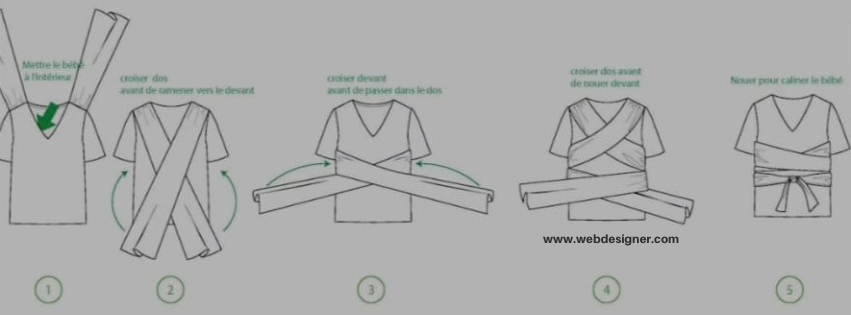
2. Targeted distribution to mothers in the neonatal unit.
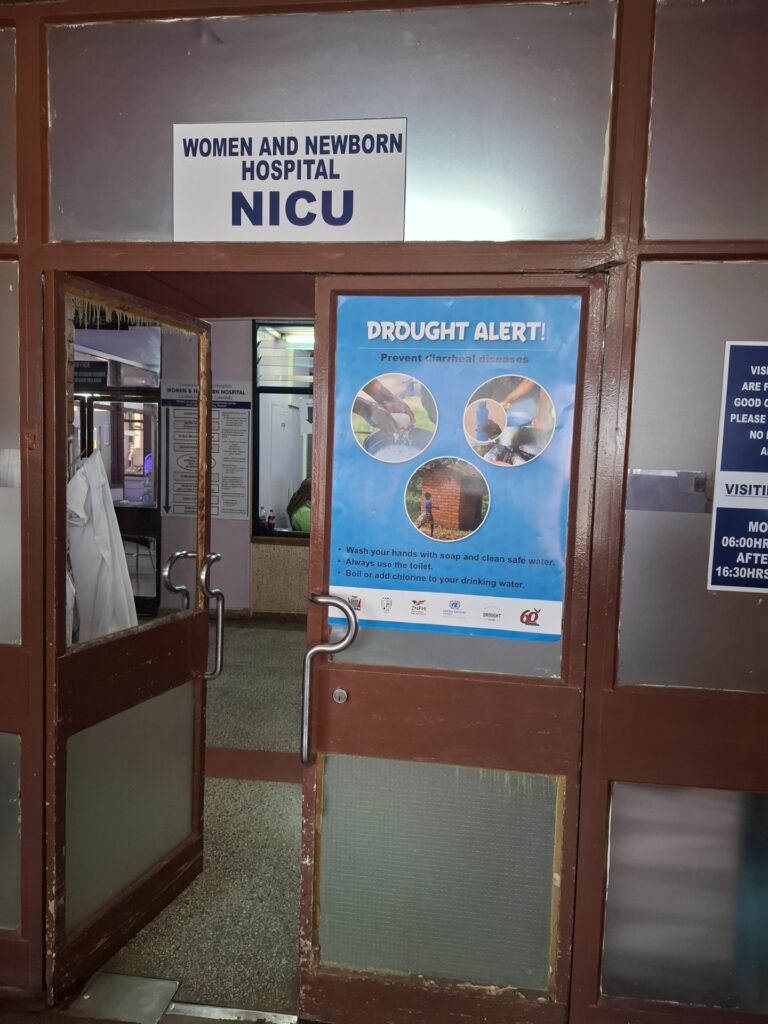
Members of Stichting YEDS are in contact with nurses in the neonatal unit at Livingstone Hospital. After receiving training and guidance on the safe use of the T-shirts, nurses will determine which mothers are most in need. Consider:
· mothers with extremely premature babies,
· mothers with limited financial resources,
· mothers with little social support,
· mothers highly motivated to practice skin-to-skin care.
3. Community support: building peer-support networks Production of skin-to-skin T-shirts in Livingstone.
Through YEDS projects and contacts, we seek to connect with mothers from surrounding villages near Livingstone who have experience with premature babies. These women can be trained as peer supporters, helping knowledge and empowerment grow within the community.
Our impact
This project strengthens both the health of premature babies and the position of women:
- Premature babies gain better chances for survival and development.
- Mothers receive practical support and empowerment.
- Local women earn income by creating the T-shirts.
- Skin-to-skin care becomes a sustainable part of healthcare in Livingstone.
What we need
To starst production, we are seeking sponsorship for:
- 1 treadle sewing machine.
- Transport from Lusaka to Livingstone.
- Initial stock of warm T-shirt. (approx. 30)
- Additiona T-shirt fabric for 2 long slings per shit.
- Labor cost for the women making the T-shirts.
- Small operational and distribution cost.
Every contribution gives a premature baby a greater chance of survival through warmth, safety, love, and adequate breastfeeding.
Kindly transfer to:
Zambian Bank account number: 0121278715.
Bank name: ABSA.
SWIFT code: BARCZMLXXXX.
Beneficiary: Youth Empowerment and Development through Sport.
Concept: KMC Project
Dutch donors can easily make a donation to the Abantu Connection foundation that supports YEDS through the following link.